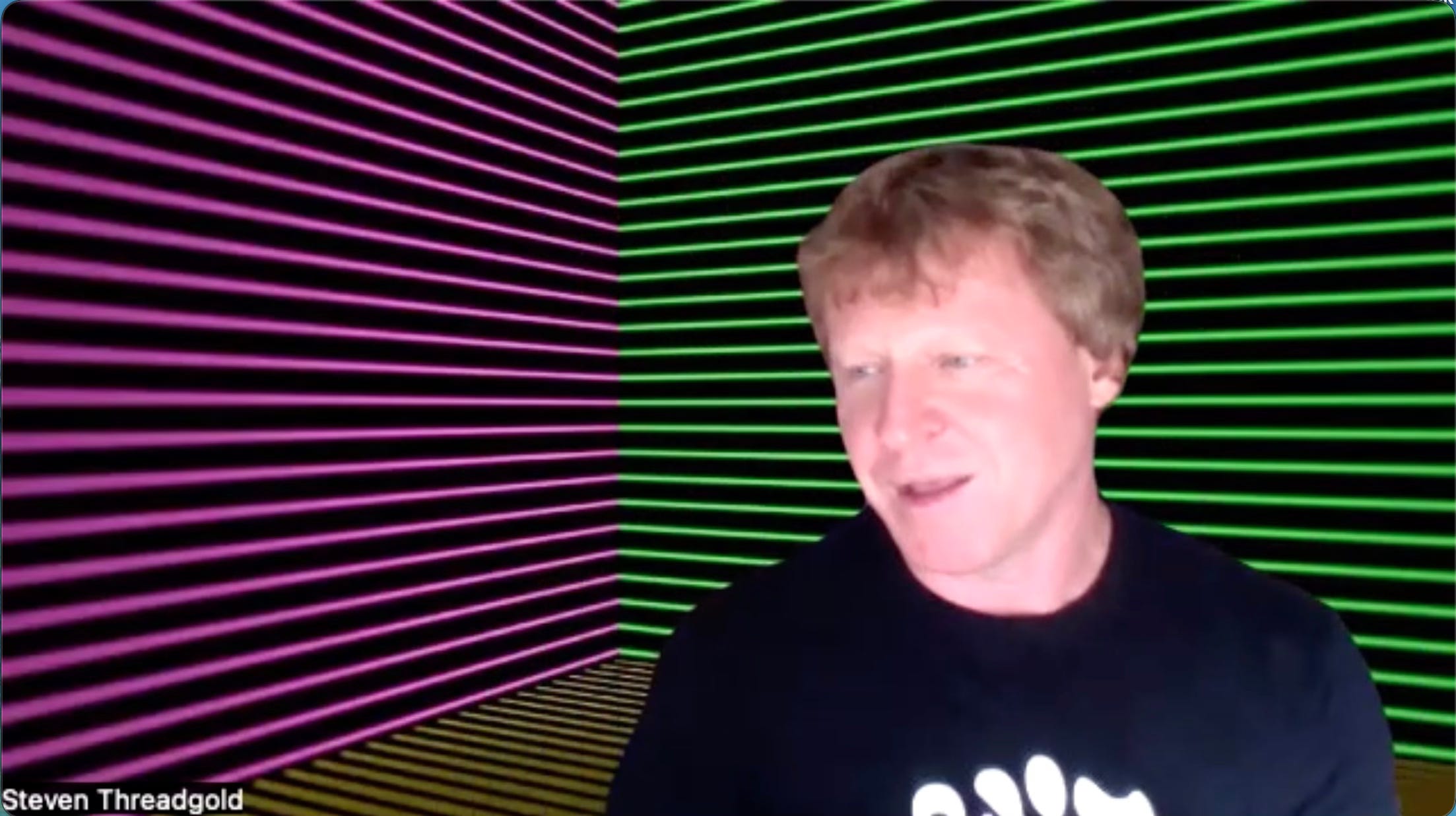
My guest in this ZOOM conversation is the academic Steven Threadgold. He’s an Associate Professor of Sociology and Anthropology at the University of Newcastle in New South Wales, Australia.
As it so happens, Newcastle is my hometown so there’s more than a little bit of personal interest for me in the issues and subjects that Steven is exploring.
Steven’s the Director of the Newcastle Youth Studies Centre there and an Associate Editor of the Journal of Youth Studies.
His research looks closely at youth and class, examining issues related to unequal career trajectories and possible alternatives – not all of them good – as well as underground and creative scenes associated with youth trying to re-create where they’re going and who they are in the face of many difficulties.
As Steven will say during our interview, he tries to run programs where the research is done with young people, not on them.
This research leans into how young people finance themselves and the role of ‘fintech’ (finance and technology) in both assisting and exploiting their progress; how they seek out work or make a living; what they choose and what gets imposed upon them.
Steven has also taken a serious interest in problems like youth gambling in order to a genuine picture of what is going on, particularly for young working class males and related issues like debt in a fintech world.
I first got to know Steven Threadgold while I was working as Artistic Director of the Addi Road Writers’ Festival, an independent writing and arts event held annually at a community centre in Sydney’s Marrickville.
Somewhat belatedly in the lead-up to ARWF2024, I noticed a book of his that had come out back in 2022 bluntly titled Class in Australia, a mix of research and analyses in collaboration with fellow academic Jessica Gerrard.
It made me invite Steven along to the keynote panel for ARWF2024 as our main theme that year was ‘Cost of Living’.
This phrase was meant to signal concerns with intensifying inequality in Australian society; it was also meant to dig into something deeper and more existential about our humanity and our dreams.
At a literary and storytelling festival it posed an open question around how artists sustain their vision and independence or any notion of ‘freedom of speech’ while crippled by financial insecurity and insecure housing pressures.
I had begun to feel we were sliding into an era of covert censorship and creative oppression by economic means, with poverty disempowering those voices most likely to be dissenting or disagreeable in publicly articulate and complex ways.
Perhaps those concerns became a little abstract or high falutin’ at a cultural event like ARWF2024, but they remain more relevant than ever.
Freedom is not simply a value or concept one hews to by choice. It is also a material condition determined by your financial independence and the security of a home. Factors like leisure or ‘spare’ time – a commodity all its own – empower some more than others in what is becoming an ‘opinion class’ as well as a property-empowered one.
With all this in mind, the title alone of Steven’s book Class in Australia was enough to tweak my interest along with the fact he was based in Newcastle. It attracted me because even though our country supposedly loves its mavericks, convicts and underdogs – favouring its punching-above-its-weight reputation – the truth of the matter is that ‘class’ is a dirty word wherever you go.
We don’t like to admit there are class issues and class constructions in Australia that we’re having to deal with in more difficult and complex ways than ever today. Or that this affects the culture we develop, support, fund, platform and praise. Australian literature’s middle class tilt is certainly impossible to ignore and in need of some serious righting.
How those class concerns play out broadly in the lives of young people in a coastal industrial town like Newcastle – and the patterns that are echoed across the country and globally – is deeply significant to who and what we are. And to where our young people are going. If they can enter into any kind of ‘future’ worth imagining at all.
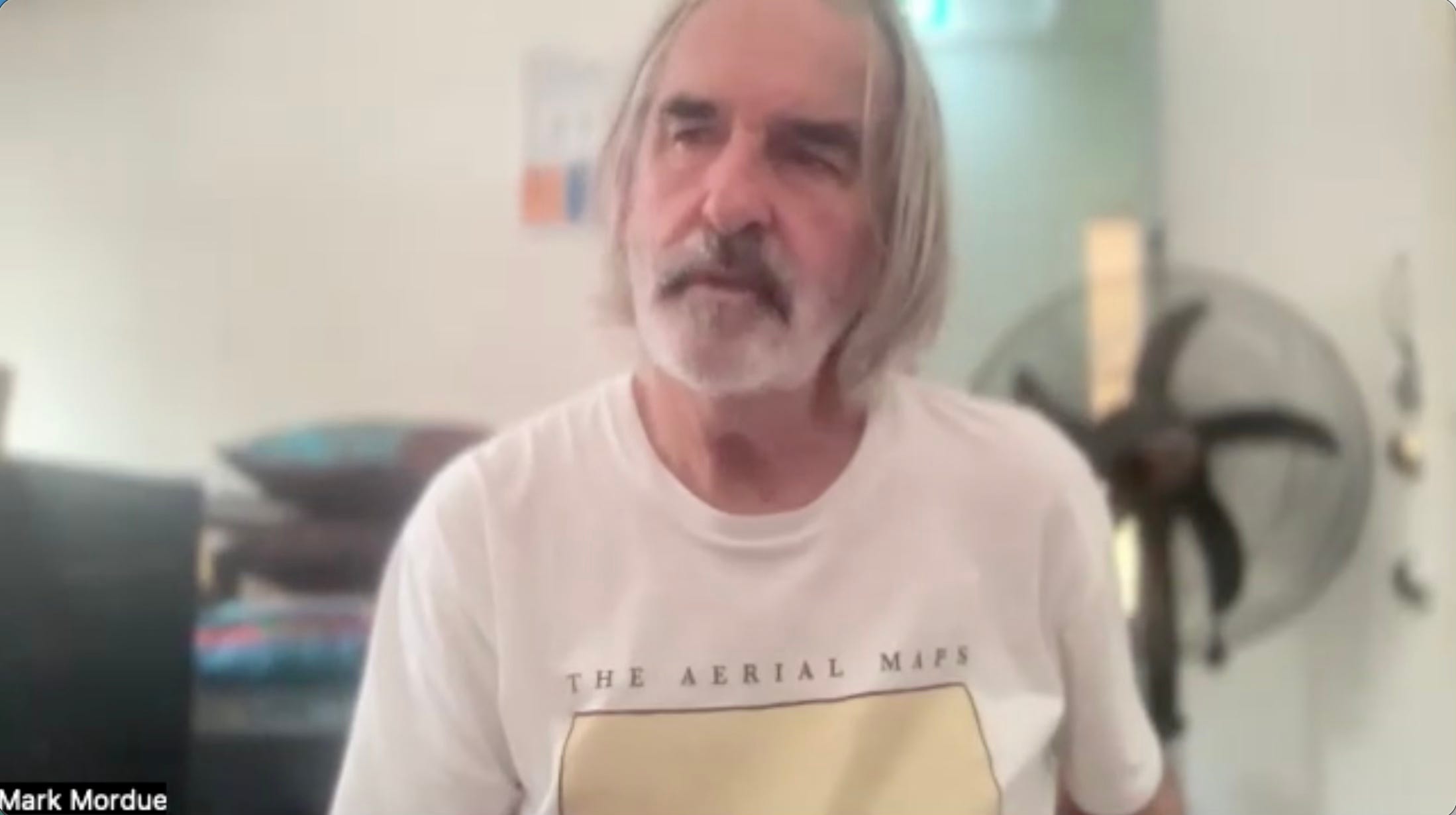
I hope you enjoy my conversation with Steven Threadgold. My voice is a little croaky and my image is a little blurred. Steven looks as if he was beamed in from the future. Maybe this accidentally reflects something about the nature of our subject: me a little worried and even frightened by the forces at play; Steven more sure and, if not quite optimistic, able to see solid hopes under high-pressure circumstances through his work talking with young people about their lives in Newcastle today.
M